
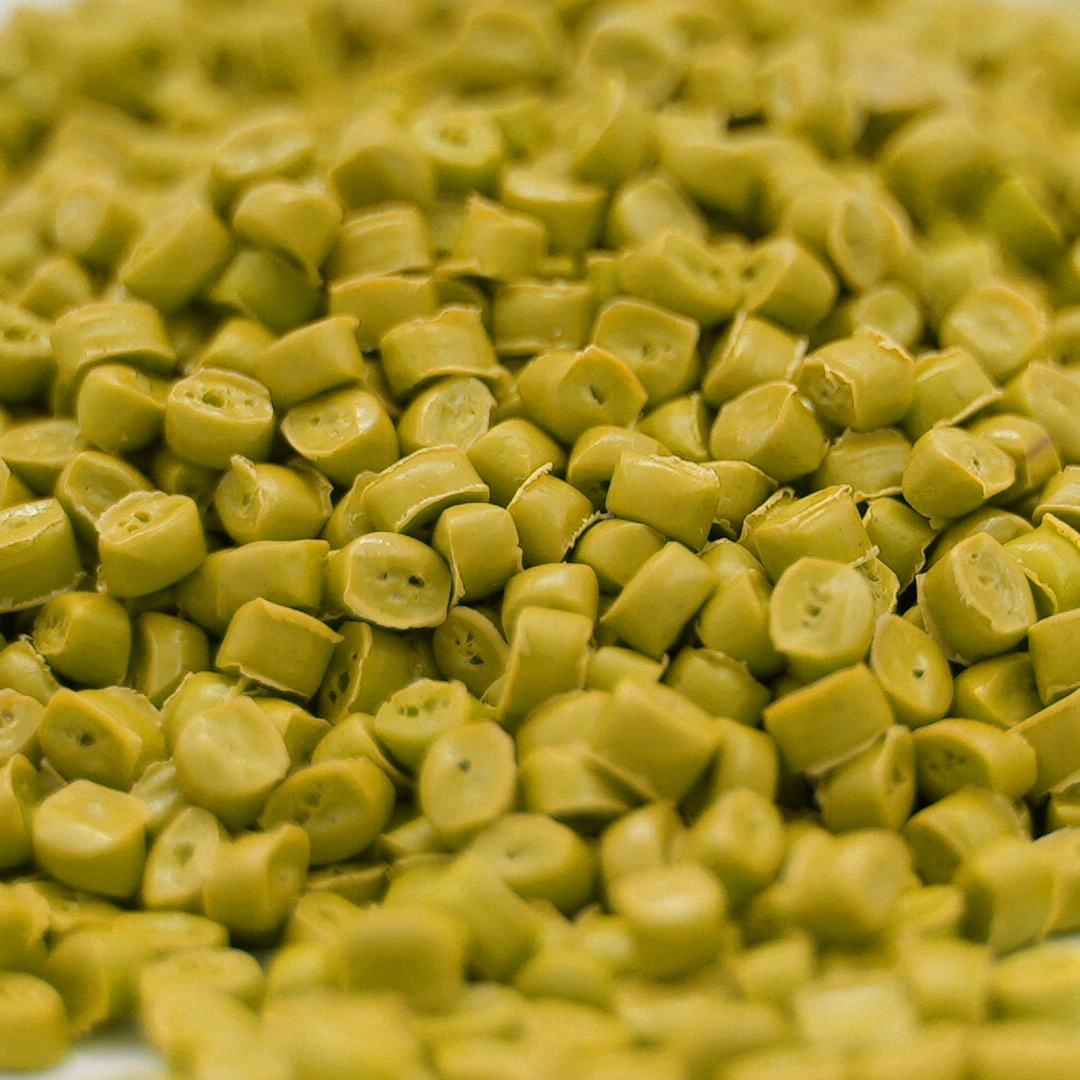
Characteristics of Polyvinyl Chloride (PVC) Compound
Polyvinyl chloride (PVC) compound is produced from powdered polymer base PVC and a combination of specific additives. This compound, alongside Polyethylene and Polypropylene compounds, is among the most widely used polymer materials in the global industry and shares common characteristics with them. Physical resistance, thermal insulation, chemical resistance, and flexibility are the prominent features of polyvinyl chloride (PVC), which is why it is used in the production of building materials, medical items, and various other industries.
Types of PVC Compound
During the production and formulation of this material, two types of derivatives are obtained: soft PVC and rigid PVC.
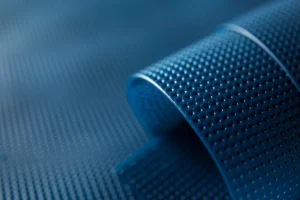
Soft polyvinyl chloride compound: This material has greater flexibility due to the use of plasticizers in its production and it is used in making cable sheathing, medical instruments, flooring, and more.
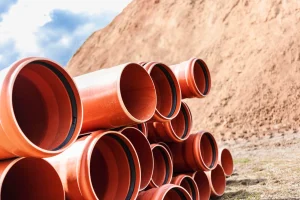
Rigid polyvinyl chloride compound: This material has a firm and solid structure in itself, which is why it is used in manufacturing items such as pipes and fittings, building materials, and more.
Characteristics of Polyvinyl Chloride Compound
Overall, this material possesses many protective features and is recognized as a versatile insulator. Below are some of its notable characteristics:
Thermal insulation: This material can create a layer around the product that prevents fire and high heat from entering it. It should also be noted that this material is self-extinguishing and slows down the burning rate, similar to the flame-retardant masterbatch.
Physical resistance: PVC has very high physical strength and durability, making it resistant to heavy impacts, corrosion, and decay.
Moisture Resistance: Moisture is one of the main challenges in the storage of plastic products. To prevent this issue, materials such as PVC and antifungal masterbatches are used.
Economic: This material, like many other compounds and masterbatches, has an economical and cost-effective price, which reduces production costs and saves on excess polymer materials.
Applications of PVC Compound
Agriculture: It is used in the production of water transfer pipes, greenhouse materials, plastic films, and various other tools.
Construction: This material is used in the construction of interior building materials, plumbing, profiles, and so on.
Packaging Industry: Companies use PVC to produce sturdy packaging that is resistant to heat, moisture, and impact.
Electrical Goods: Insulating coatings for electrical cables and various wiring.
Purchase and Price of Polyvinyl Chloride (PVC) Compound
The table below outlines the various specifications of this product. You can select your desired material based on the needs of your product and the provided information. If requested by the customer, it is possible to manufacture the product in different grades and percentages; just contact us via this link.
| Property | Value/Description | Test Method |
|---|---|---|
| Composition | Polyvinyl Chloride + Additives | - |
| Density | 1.3 - 1.5 g/cm³ | ASTM D792 |
| Hardness (Shore A/D) | 40-95 | ASTM D2240 |
| Tensile Strength | 10-50 MPa | ASTM D638 |
| Application | Pipes, cables, profiles | - |
| Benefits | Chemical resistance, durability | - |
If you need advice in selecting your desired product or placing an order, our colleagues at Suprapol are ready to guide you on this journey.


mack –
Does PVC Compound work well with additives such as color, antibacterial, or fire retardant masterbatches?
Kaya –
Does the temperature and time of the PVC Compound production process affect the quality and final properties of the product?
Marcus –
How can the cost of PVC Compound production be reduced without compromising the quality of the final product?