Polyethylene Film
What are PE films?
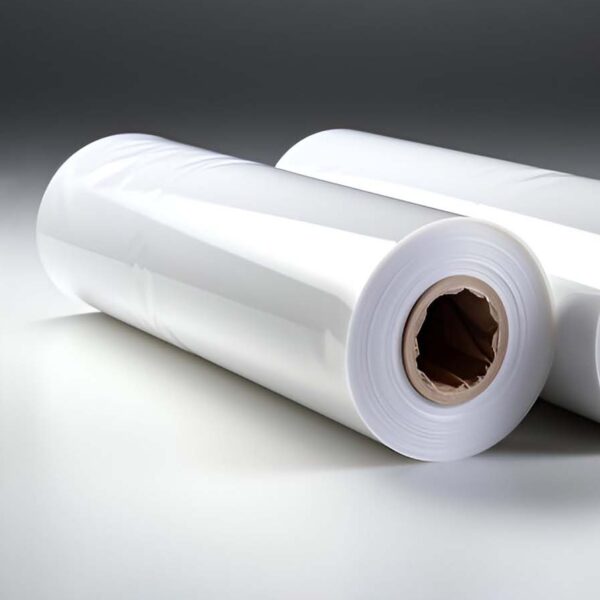
Polyethylene (PE) film is a thin, flexible sheet made from polyethylene; polyethylene is the most widely used plastic in the world, with over 100 million tons of PE resin produced annually. This material is synthesized from the polymerization of ethylene and is considered highly versatile due to its durability, moisture resistance, and ease of processing. The properties of PE film can be customized through various additives and thicknesses. The high volume of PE production and its widespread application in various sectors, such as packaging, agriculture, construction, and healthcare, highlight its essential role in modern industry. This breadth of application is not merely due to a single material, but rather the result of a family of materials whose flexibility is engineered through structural modifications and processing techniques, allowing them to meet very specific performance criteria. This adaptability is the primary driver of market growth and innovation in the industry.
Types of polyethylene films
Low-Density Polyethylene Film (LDPE)
LDPE is the most flexible and widely used type of PE film. This film is lightweight, has excellent clarity, and is easy to process. It boasts high moisture resistance, good resistance to alcohol, acids, and alkalis, very low water absorption, and high chemical resistance. LDPE is clear and is generally cheaper to produce than LLDPE and HDPE. Its density typically ranges from 0.91 to 0.925 grams per cubic centimeter. Although it is very flexible and moldable, it has lower durability and tensile strength compared to other types of PE.
Main applications: Due to its flexibility and cost-effectiveness, LDPE is widely used in the packaging industry. Its specific applications include plastic bags, shrink wraps, food packaging (for frozen, dried, and legume products), pharmaceutical and pressure bottles, container lids, and garbage bags. It is also used in clothing packaging and carpet films.
High-Density Polyethylene Film (HDPE)
HDPE is significantly stronger and stiffer than LDPE and is preferred for heavier packaging needs. This material has a denser and highly crystalline structure, resulting in a tough plastic. HDPE offers excellent resistance to puncturing and chemicals. Its density ranges from 0.941 to 0.965 grams per cubic centimeter. This material is considered the most stable and easiest of the three main types (LDPE, LLDPE, HDPE) to recycle, as it requires less energy to produce and can remain in the cycle for years.
Main applications: HDPE is commonly used for heavy industrial packaging, milk jugs, detergent bottles, trash cans, and cutting boards. It is also used to protect groundwater from toxic chemicals resulting from landfill and oil drilling, as well as in pipes, tubes, and plastic furniture.

Linear low-density polyethylene film (LLDPE)
LLDPE creates a balance between the flexibility of LDPE and the strength of HDPE. This material offers exceptional tensile strength and impact resistance, along with high flexibility, high tear and puncture resistance, and excellent surface crack resistance. LLDPE maintains its flexibility upon cooling (does not harden) and performs very well in extreme temperatures and weather conditions, particularly excelling in impact performance at low temperatures. Its density ranges from 0.91 to 0.94 grams per cubic centimeter
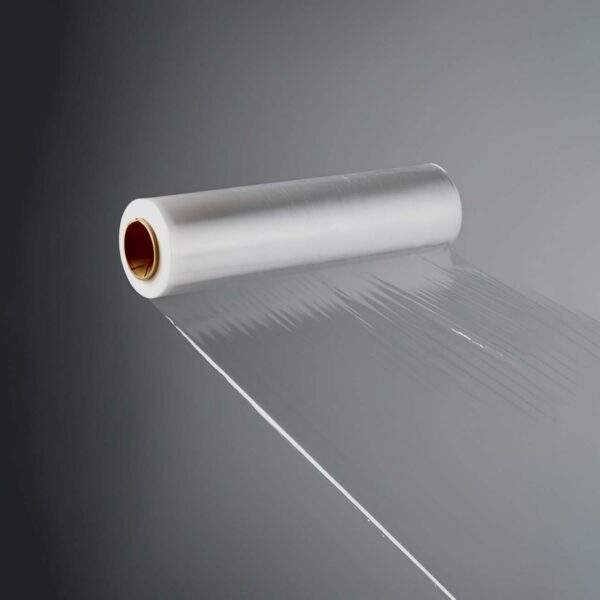
Main applications: LLDPE is ideal for stretch films and heavy liners, especially for products with sharp edges due to its excellent puncture resistance. It is widely used in heavy-duty bags, toys, and cable coverings. As a primary material for PE stretch film, it is essential for securing loads during transport, protecting pallets and large items, and in industrial, food, hygiene, agriculture, and construction sectors.
Biaxially oriented polyethylene film (BOPE)
BOPE films offer superior performance compared to traditional PE films. Key properties include high clarity and gloss, excellent printability, high thermal sealing strength, and superior mechanical strength (tensile strength, impact resistance). BOPE is softer and more flexible than BOPP and has better impact resistance and sealing capability.
Special applications: BOPE films are designed for high-performance packaging applications in the food, pharmaceutical, chemical, consumer goods, and industrial materials industries. Their performance at low temperatures makes them suitable for packaging frozen seafood and quick-frozen foods, significantly reducing the “bag breakage rate.” They are also suitable for retail bags that require high strength and clarity.
PE protective film
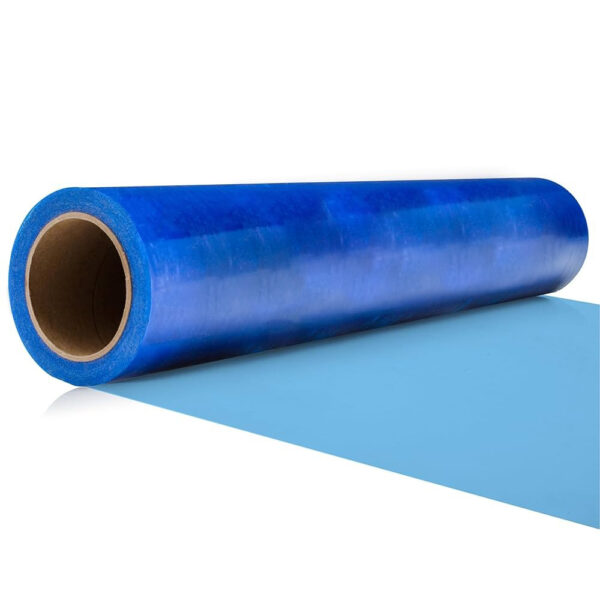
PE protective film is a plastic film material widely used for surface protection. Its primary purpose is to protect products from scratches, contamination, damage, and dust during various stages, including production, transportation, and storage.
Applications: PE protective films are applied across a wide range of surfaces. Common applications include protecting the screens of electronic devices, glass (such as vehicle glass, glass coatings), metals (such as stainless steels sheets, aluminum), high-gloss plastics, tools, and furniture surfaces. They are vital in manufacturing processes (such as polarized sheets, ITO glass, backlight panels) and during transportation for products that require careful handling.
Analysis and Comparison of Types of PE Film
This table is highly valuable for quick comparison and decision-making for professionals. It integrates vital technical specifications and performance characteristics of three common types of PE film, allowing users to quickly identify the most suitable material based on their specific application requirements (such as desired flexibility, strength, chemical resistance, environmental considerations).
| Property | Typical Value | Unit | Test Method |
|---|---|---|---|
| Density | 0.950–0.960 | g/cm³ | ASTM D1505 |
| Melt Flow Index (190°C/2.16 kg) | 0.05–0.95 | g/10 min | ASTM D1238 |
| Tensile Strength at Yield (MD/TD) | 21–27 / 22–27 | MPa | ASTM D882 |
| Tensile Strength at Break (MD/TD) | 39–43 / 22–40 | MPa | ASTM D882 |
| Elongation at Break (MD/TD) | 430–650 / 800–900 | % | ASTM D882 |
| Elmendorf Tear Strength (MD/TD) | 0.55–0.63 / 11.8–47.4 | g/μm | ASTM D1922 |
| Dart Drop Impact (F50) | 0.76–1.31 | g/μm | ASTM D1709 |
| Flexural Modulus | 830–1350 | MPa | ASTM D790 |
| Vicat Softening Point | 122–127 | °C | ASTM D1525 |
| Melting Point | 130 | °C | ASTM D3418 |
| Brittleness Temperature | < -70 | °C | ASTM D746 |
| Environmental Stress Crack Resistance (ESCR) | 500–1000 | hours | ASTM D1693 |
| Haze | 11–78 | % | ASTM D1003 |
| Gloss (45°) | 5–74 | % | ASTM D2457 |
| Coefficient of Friction (COF) | 0.6 | - | ASTM D1894 |
Optimal Selection of PE Film
Choosing the type of PE film is a critical decision determined by specific application requirements, considering performance, cost, and environmental considerations. For applications that require high flexibility, clarity, and cost-effectiveness in lighter packaging, LDPE remains the preferred option. In cases where strength, rigidity, and puncture resistance, chemical or outdoor environmental factors are highly significant, HDPE offers robust solutions. Its recyclability also makes it an environmentally friendly option. LLDPE excels in scenarios requiring a balance between strength and flexibility, especially for stretch films and applications requiring high impact and puncture resistance even at low temperatures. BOPE emerges as a high-performance and sustainable alternative, particularly for challenging packaging where material reduction and increased recyclability are key drivers. PE protective films are specifically designed to maintain surface integrity, offering adjustable protection for sensitive products.
The diverse properties of PE films require a strategic approach in material selection. This means selecting not the “best” film, but the “most suitable” film that optimizes a complex combination of functional performance, economic feasibility, and increasing sustainability goals.
Why choosing SupraPol as your supplier?
SupraPol, as a supplier of plastic products, has made it a priority to export high-quality products at reasonable prices to different parts of the world across five continents. One of our most significant advantages is providing consultation and guidance to our dear clients throughout the entire purchasing process, as well as assisting those who seek advice and detailed information about specifications and other related details.
Request a Free Quote or Sample Today
If you would like to place an order or request a price estimate, you can do so through this link. Additionally, if you need purchasing advice, you can contact our colleagues and experts via contacts listed below.
Showing all 5 resultsSorted by latest