Polypropylene Film
What is Polypropylene (PP) Film?
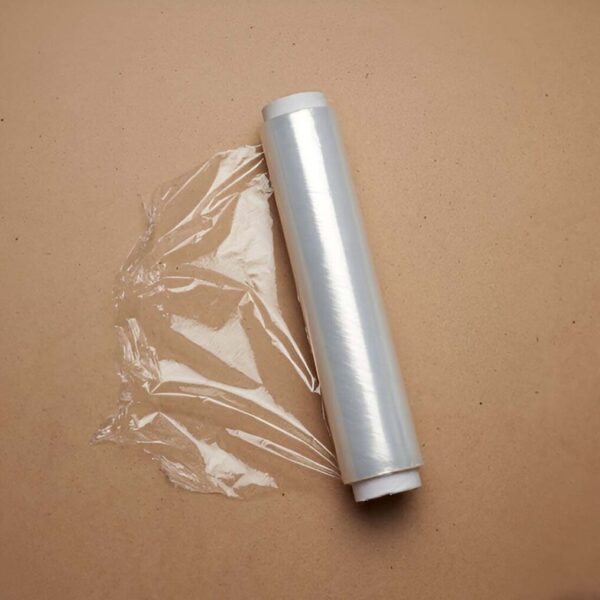
Polypropylene (PP) film is a highly efficient and recyclable thermoplastic. This Polypropylene film odorless, non-toxic material with low density is considered one of the lightest types of available plastics and exhibits higher strength, stiffness, and rigidity compared to polyethylene (PE) films. Polypropylene films are produced in various thicknesses and qualities, and have the capability to be printed, perforated, or non-perforated, making this flexibility ideal for a wide range of applications, especially in automatic packaging machines such as flow pack devices, vertical machines, and shrink-wrapping machines.
Properties of PP Films
Mechanical properties: Polypropylene films have good tensile strength and outperform PE in terms of strength, stiffness, and rigidity. PP shows desirable flexibility and fatigue resistance. Its toughness means the ability to deform without breaking, which is important for applications that require resistance to repeated bending and twisting.
Thermal properties: Polypropylene films have a high melting point that is significantly higher than that of PE. This feature makes PP films very suitable for applications requiring sterilization at high temperatures, such as medical packaging and certain food products. However, its high thermal expansion coefficient may limit its use in some high-temperature applications.
Chemical resistance: Polypropylene films exhibit high chemical resistance to a wide range of dilute bases and acids and are inert. This feature makes them suitable for containers holding liquids such as detergents and first aid products.
Barrier properties: PP films provide a good barrier against moisture and gases. However, their average gas barrier properties in the raw state can pose limitations for some demanding applications. This limitation can be resolved by metallizing the film or coating it with other polymers such as PVDC or acrylic, significantly enhancing gas barrier capabilities and improving product shelf life.
Printability and heat sealing: The surface of PP film is suitable for various printing methods such as flexography, gravure, offset, or digital printing, allowing for the inclusion of high-quality graphics and information.
Electrical insulation: Polypropylene is highly resistant to electricity, making it very useful for electronic components.
Types of Polypropylene Films
PP films are divided into different types based on the production process and molecular orientation, each with its own specific properties and applications. The three main types are CPP, BOPP, and OPP.
Cast Unoriented Polypropylene – CPP
CPP films are distinguished by their superior tear and impact resistance, better performance at low temperatures, and excellent thermal sealing properties compared to BOPP. These films are generally softer and provide good resistance to puncturing. The properties of CPP films can be extensively customized to meet specific packaging, performance, and processing needs.
Common applications: Although CPP has traditionally had fewer applications than BOPP, it is increasingly being chosen for many traditional and non-packaging flexible applications. Its thickness can be adjusted for better protection against puncturing and tearing, making it suitable for packaging heavy products or those with sharp edges.
Biaxially Oriented Polypropylene – BOPP
Biaxial orientation significantly enhances the mechanical properties of BOPP, resulting in increased tensile strength and stiffness and reduced elongation (strain hardening). It also improves optical properties (higher clarity and glossiness and lower haze compared to CPP) and somewhat enhances vapor barrier properties. BOPP films are known for their excellent strength and clarity and are preferred for printing and display packaging.
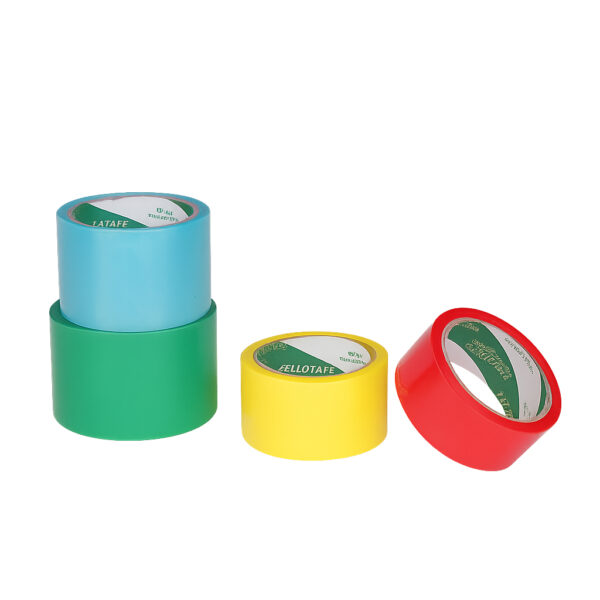
Common applications: This film serves as an excellent substitute for traditional materials such as cellophane, wax paper, and aluminum foil. Common applications include food packaging such as snacks (due to moisture barrier), candies, cigarettes, medical supplies, electronics, and general food packaging. It is also widely used for shrink packaging and tape coverings.
Oriented Polypropylene – OPP
Unidirectional stretching enhances the film properties in the direction of stretching, leading to improved tensile strength, glossiness, and gas barrier properties. OPP films are generally more flexible than BOPP films and easier to open. They are clear and have high tensile strength, making them suitable for products that may be difficult to handle.
Common applications: OPP films are suitable for packaging bags and wraps. They are typically used for packaging items such as clothing, toys, stationery, and in the food industry, especially for frozen foods and baked goods.
The table below compares different types of PP films.
| Feature | CPP Film (Unfilled Polypropylene) | BOPP Film (Bi-axially Oriented Polypropylene) | OPP Film (Mono-axially Oriented Polypropylene) |
|---|---|---|---|
| Production Method | Non-oriented (casting film) | Bi-axially oriented (stretched in MD and TD) | Mono-axially oriented (stretched in MD or TD) |
| Flexibility/Stiffness | Softer, more flexible | Stiffer, more rigid than BOPP | More flexible than BOPP |
| Tensile Strength | Good | Very high | High (directional) |
| Tear Resistance | Superior | Good (but low resistance to tear propagation after initiation) | Good |
| Impact Resistance | Superior | Good | Good |
| Low-Temperature Performance | Better | Good | Good |
| Heat Sealability | Superior | Difficult (often requires coating) | N/A (generally good for packaging) |
| Transparency/Gloss | High | Very high | High |
| Gas Barrier | Medium | Better | Improved (directional) |
| Main Applications | Laminated films, food packaging, peelable lids, technical surface protection | Snacks, cigarettes, candies, medical supplies, electronics, shrink packaging | Packaging bags, tapes, clothing, toys, stationery, frozen foods, baked goods |
Applications of PP Films in Various Industries
Polypropylene films have found extensive applications in various industries due to their diverse properties and customization capabilities:
Food and Beverage Packaging: PP films are widely used in this sector due to their suitability for contact with food, low odor, high chemical resistance, and inertness, often complying with FDA regulations. Certain types like BOPP are preferred for snacks due to their moisture barrier, while OPP is used for frozen foods and baked products.
Consumer Goods: PP films are found in everyday consumer products such as diapers and cigarette packaging. OPP is also used for clothing, toys, and stationery. Shrink packaging and adhesive films are utilized to secure products during transportation and storage.
Medical Applications: Polypropylene (PP) films are recognized as one of the key materials in medical packaging, as they create a sterile barrier protecting medical equipment and supplies from microbial contamination, moisture, and gases. These films are used in packaging surgical instruments, syringes, catheters, and medical bags due to their features such as high chemical resistance, clarity, mechanical strength, and sterilization compatibility with methods like autoclaving and ethylene oxide gas.
Why Choosing SupraPol as your Supplier?
SupraPol, as a supplier of plastic products, has prioritized exporting high-quality products at reasonable prices to different parts of the world across five continents. One of our most significant advantages is providing consultation and guidance to our dear clients throughout the entire purchasing process, as well as assisting those who seek advice and detailed information about specifications and other related details.
Request a Free Quote or Sample Today
If you would like to register an order or request a price estimate, you can do so through this link. Additionally, if you need purchasing advice, you can contact our colleagues and experts through the contact methods listed below.
Showing all 8 resultsSorted by latest