Eco Friendly Shrink
Eco-friendly Shrink Films
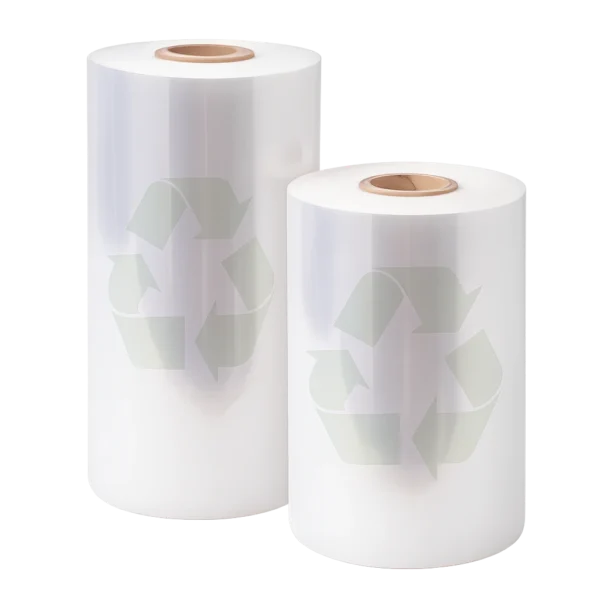
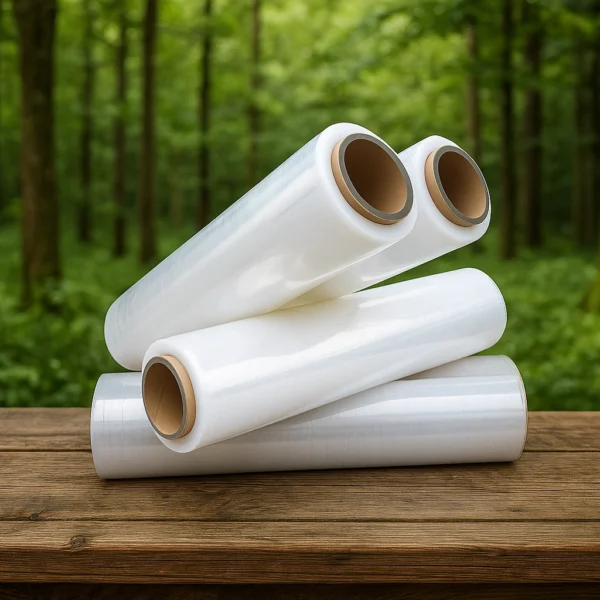
Eco-friendly shrink film is produced from biodegradable materials, which has a lower level of pollution and persistence in nature compared to other shrink film products that mostly use pure polyethylene or polypropylene based materials.
The typical thickness of this shrink film ranges from 15 to 100 microns. These wrapping decompose in a suitable environment within 3 to 6 months after their expected life, turning into soil or compost. The raw materials are supplied from bio-polymers such as PLA (polylactic acid), PBAT, or cellulose.
These wrapping, in addition to having clarity and flexibility similar to traditional products, also possess Eco-friendly or industrial compostable properties. Eco-friendly shrink film is a suitable solution for reducing and eliminating the environmental pollution crisis, greenhouse gases, and irreparable damage to nature and living organisms in the world.
Types of Eco-friendly Shrink Films
PLA Shrink Bags: Made from polylactic acid; fully industrially compostable and has high clarity; suitable for packaging food, cosmetics, and beverages.
PBAT/Bio Polymer Shrink Bags: With the addition of PBAT, it has higher flexibility and mechanical strength compared to pure PLA and decomposes faster.
Cellulose-based Shrink Bags: Made from cellulose, does not require heat (shrinks at room temperature up to 40%), suitable for shrink banding in beverage and cream industries.

Features of Eco-friendly Shrink Film
Biodegradability and Industrial Composability
The most important and primary feature of this product is its biodegradability, which, when collected in an industrial environment (temperature above 55 degrees), leads to complete decomposition within several months without leaving harmful waste. Interestingly, the duration of biodegradability can be changed variably and at will! At the Suprapol company, we can produce products according to our clients’ desired specifications.
Desired Clarity and Gloss
The uniform biological structure without metal or PVC additives allows for high light transmission and professional product display.
Effective Shrinkage with Less Energy
The shrink rate is similar for traditional films, having 40-50% shrinkage, but for Eco-friendly films, this process occurs at lower temperatures (≈85-95 °C).
Applications of Eco-friendly Shrink Film
Food
Eco-friendly film with very low oxygen and water vapor permeability provides a protective barrier and prevents evaporation and quality changes. Precise shrinkage also ensures uniform sealing and prevents air infiltration. The multi-layer composition of PLA/PBAT film with additives like antioxidants enables the adjustment of gas ratios, moisture control, and up to a 50% extension of product shelf life.
Hygiene and Cosmetics
A transparent and shiny appearance greatly attracts visual attention; high printability allows brands to include logos and information. Additionally, the shrinkable layer free of PVC is hygienic and protects sensitive products.
Pharmaceutical and Health Industries
Packaging for tablets, syrups, medical supplies, and laboratory equipment creates tamper-evident packages with a strong seal that limits the entry of contaminants and moisture. Shrinkage means the film tightly adheres to the product, and if tampered with or opened, a clear crease is formed and becomes apparent. It also has barrier properties and can print pharmaceutical information.
Industrial and Electronic Packaging
Protection of industrial parts, electronics, and tools during storage and transportation. The strong cover prevents the intrusion of dust, moisture, scratches, and impacts. The film provides flexibility and tear resistance, while PLA offers a stable mechanical structure.
Comparison with Other Types of Plastic Shrink
| Feature | Eco-Friendly Shrink Bags | Traditional Shrink Film (PVC/PE/POF) |
| Material | PLA/PBAT/cellulose (Eco-friendly) | Petroleum-based (PVC, PE, POF) |
| Biodegradability | Industrial-compostable | Non-Eco-friendly in nature |
| Heat Requirement | Some do not require heat (Celon) | Always requires 150–200°C |
| Printable/Customizable | Smooth surface, suitable for printing | Printable surface |
| Mechanical Resistance | Suitable, even with less thickness | Very resistant |
| Carbon Footprint | Low (renewable resources) | High (fossil-based) |
| Compatibility with Devices | No need for changes | No equipment changes |
Why Choosing SupraPol as Your Supplier?
SupraPol, as a plastic product supplier, prioritizes exporting high-quality products at reasonable prices to various parts of the world across five continents. One of our significant advantages is providing consultation and guidance to our clients throughout the entire purchasing process, as well as assisting those who seek advice and detailed information about specifications and other related details.
Request a Free Quote or Sample Today
If you would like to place an order or request a price estimate, you can do so through this link. And, if you need purchasing advice, you can contact our colleagues and experts via our contacts.
Showing all 2 resultsSorted by latest