

What is Calcium Carbonate Masterbatch?
A unique and versatile material! Calcium carbonate masterbatch, or abbreviated as (CaCO3), is one of the most widely used and important additives in the polymer industry. This material is made out of a combination of base polymers such as polyethylene and polypropylene. Due to its white color and cost-effectiveness, it serves as a suitable alternative to white masterbatch for manufacturers. This material is found both in its raw form in nature and in laboratory settings as synthetic materials; minerals such as gypsum, marble, limestone, calcite, etc. will be covered in more detail in the following sections.
Click for more information about Masterbatch
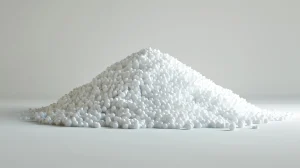
Types of Calcium Carbonate Masterbatch
Calcium carbonate masterbatch initially comes from a substance called marble, which occurs as powder in nature, and it can generally be categorized in two ways: precipitated calcium carbonate (PCC) and ground calcium carbonate (GCC).
Precipitated Calcium Carbonate (PCC): This material is produced in a laboratory setting by humans; it is created when carbon dioxide reacts with calcium hydroxide, resulting in a precipitate known as PCC. It has a very high purity level, and its particle size is nearly uniform (approximately 2 microns each). This material is used in the production of cosmetic and pharmaceutical products.
Ground Calcium Carbonate (GCC): This type of calcium carbonate is found naturally in nature and is available in the form of crushed limestone or marble. Due to the presence of impurities, it is less pure than precipitated calcium carbonate and is also less expensive. This material is used in the production of paints, paper, and animal feed.
Features of Calcium Carbonate Masterbatch
Cost Reduction: This material is more affordable and economically viable than polymer resins, providing significant economic advantages in mass production and high tonnage manufacturing.
Increased Mechanical Properties: Adding this material to plastic products enhances their physical resistance and molecular strength.
Improved Melting Process: Calcium carbonate masterbatch helps improve the flow of polymers in extrusion and molding processes. This leads to increased production efficiency and reduced production cycle times.
Enhanced Product Quality: Having above benefits, calcium carbonate also helps create a smooth, shiny, and polished surface in final products. This feature is particularly useful in packaging products and plastic containers where an attractive and beautiful appearance is important.
Environmental Compatibility: Calcium carbonate masterbatch reduces the consumption of raw plastics, thereby decreasing environmental impacts. Additionally, this material plays a positive role in the recycling of polymers.
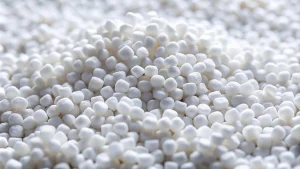
Applications of Calcium Carbonate Masterbatch
Packaging Industry: Used in the production of plastic bags, agricultural films, and food packaging to reduce costs and increase durability.
Construction Industry: Utilized in the production of PVC pipes, panels, wall coverings, and other construction materials to improve mechanical properties.
Textile Industry: Employed in the production of polymer threads and synthetic fibers to enhance their strength and physical resistance.
Everyday Products: This material has widespread applications in the manufacturing of household items, toys, and plastic containers.
Purchase and Pricing of Calcium Carbonate Masterbatch
If you need advice for ordering or price inquiries, you can contact our experts through this link. Our colleagues will guide you throughout the ordering process and help you select the most suitable product.
| Property | Value/Description |
|---|---|
| Composition | Calcium carbonate (CaCO3) + Carrier resin |
| Carrier Resin | PE / PP |
| Filler Content | 70-85% |
| Melt Flow Index (MFI) | 1-5 g/10min (190°C, 2.16 kg) |
| Density | 1.8 - 2.2 g/cm³ |
| Application | Film, injection molding, blow molding |
| Benefits | Cost reduction, improved stiffness |


zara –
What is the difference between using CaCO₃ in blown film and extruded sheets?
Zahra hedayati –
The main difference lies in the amount and type of CaCO₃ distribution, which is optimized to achieve the desired mechanical and aesthetic properties in each of these processes.
Arya –
Does using CaCO₃ masterbatch improve the recyclability of polymers?
robert –
Can the cost of using CaCO₃ masterbatch be reduced without compromising the quality of the final product?